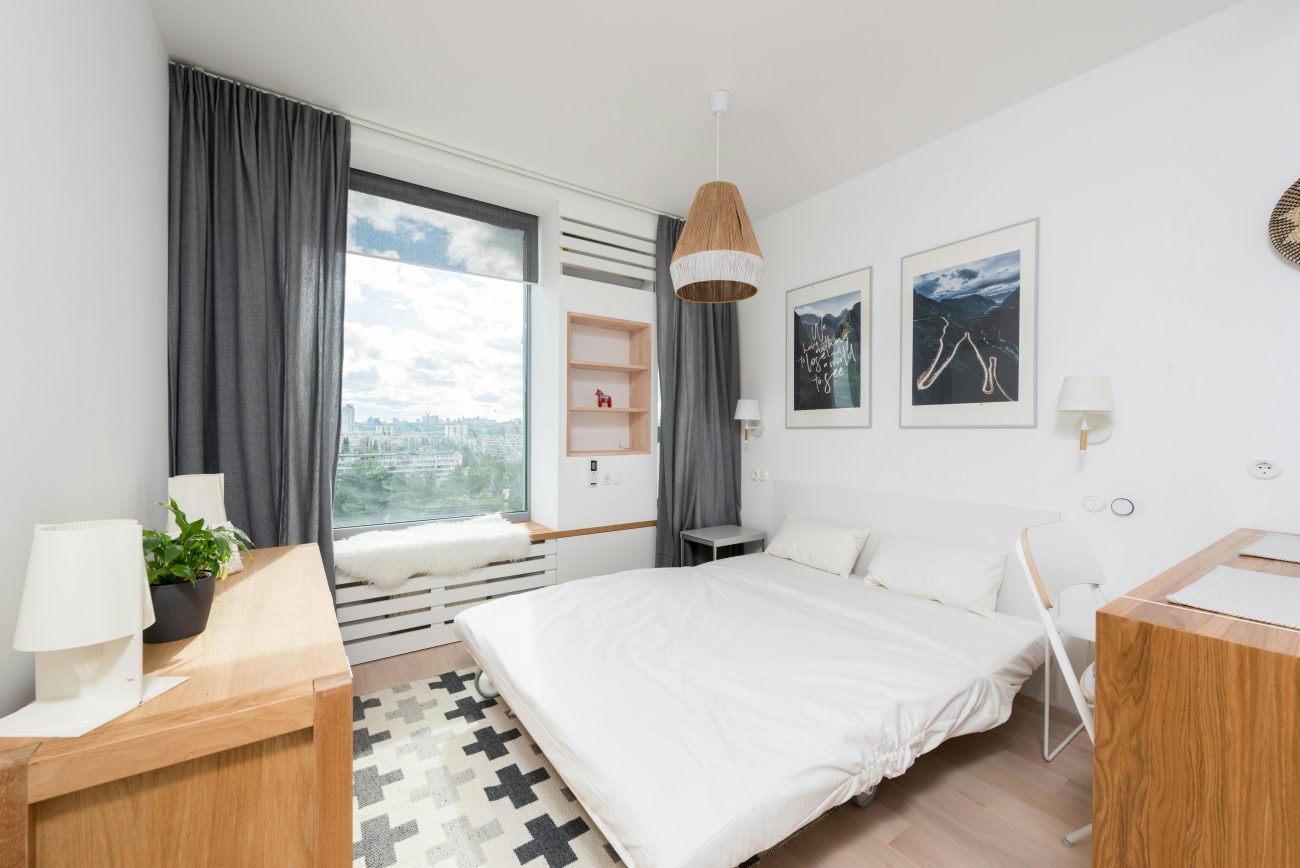
1. An Insight into Residential Spaces
The modern lifestyle is strongly connected to residential spaces. People are under pressure to work, have social responsibilities, and deal with mental stress in today’s fast-paced world. Home is no longer just a place to sleep, but a space that provides comfort, peace, and emotional support. Well-designed residential spaces improve quality of life and help individuals to maintain balance in daily routines.
2. Use of Residential Spaces
Residential spaces are primarily designed to offer safety, comfort, and shelter. Home provides a haven for individuals and protects them from the environment. The home also plays a role in the emotional well-being of individuals by providing a stable and comfortable environment that allows them to relax and connect with their family.
3. Comfort and Interior Design
Modern residential spaces are designed to provide comfort. The design of the interior, placement of furniture, lighting, and ventilation have a direct impact on daily life. Airflow, proper lighting, and spacious rooms make homes more comfortable and healthier. To enhance comfort, modern designs combine functionality and beauty.
4. Privacy and Personal Space
Modern living requires privacy. Separate rooms and areas for personal use help people maintain mental peace and autonomy. Personal space is essential for emotional health because it allows people to relax and focus.
5. Independent Living Trend
Particularly among young adults, independent living is becoming more popular. Living alone is a popular choice for many people because it allows them to be more independent, flexible, and free. Independent living allows individuals to develop their responsibility and manage their lifestyles in accordance with their preferences.
6. Family-Oriented living
Families need residential spaces that promote togetherness and security. For children to grow and develop, they must live in spacious homes. Residential spaces that are family-oriented encourage bonding and foster a nurturing atmosphere for all.
7. Student Housing Preferences
Most students are looking for a comfortable and affordable place to live. Sharing accommodations is common because it reduces costs and encourages social interaction. Students also consider the proximity to basic facilities and educational institutions.
8. Professional Living Choices
Professionals prefer to live in areas near their workplaces or close to public transportation. Modern amenities like internet access, security, and fitness equipment help professionals maintain an efficient and balanced lifestyle.
9. Travel and Short-Stay Residence Spaces
Travelers and business guests need short-term accommodation. These spaces are designed for comfort, convenience, and accessibility. For temporary stays, hotels, guesthouses, and serviced apartments provide flexible options.
10. Location of the Role
The location is a key factor in selecting a residential space. The convenience of public transportation, health care, markets, and recreational areas is important for daily life. A good location reduces stress and saves you time.
11. Cost and Budget Planning
When selecting a home, it is important to plan your budget. The balance between affordability, comfort, and location must be struck. Financial planning can help individuals to avoid stress and achieve long-term stability.
12. Health and Well-Being
The residential environment has a direct effect on health. Fresh air, clean surroundings, and green spaces contribute to mental and physical well-being. Natural elements and open spaces help to reduce stress and promote relaxation.
13. Modern Living and Technology
The technology has revolutionized residential living. Comfort and safety are increased by smart homes, digital security, and energy-efficient devices. Technology improves living standards and makes everyday tasks easier.
14. Changes in Living Expectations
Modern residents are looking for more than a simple shelter. Modern residents have a basic expectation of comfort, privacy, convenience, safety, and technology. Residential spaces are constantly evolving to meet changing demands.
15. The conclusion of the article is:
Residential spaces are crucial in shaping a modern lifestyle. A well-designed house promotes comfort, health, and emotional well-being. Residential spaces will continue to be essential for improving the quality of life as lifestyles change.
